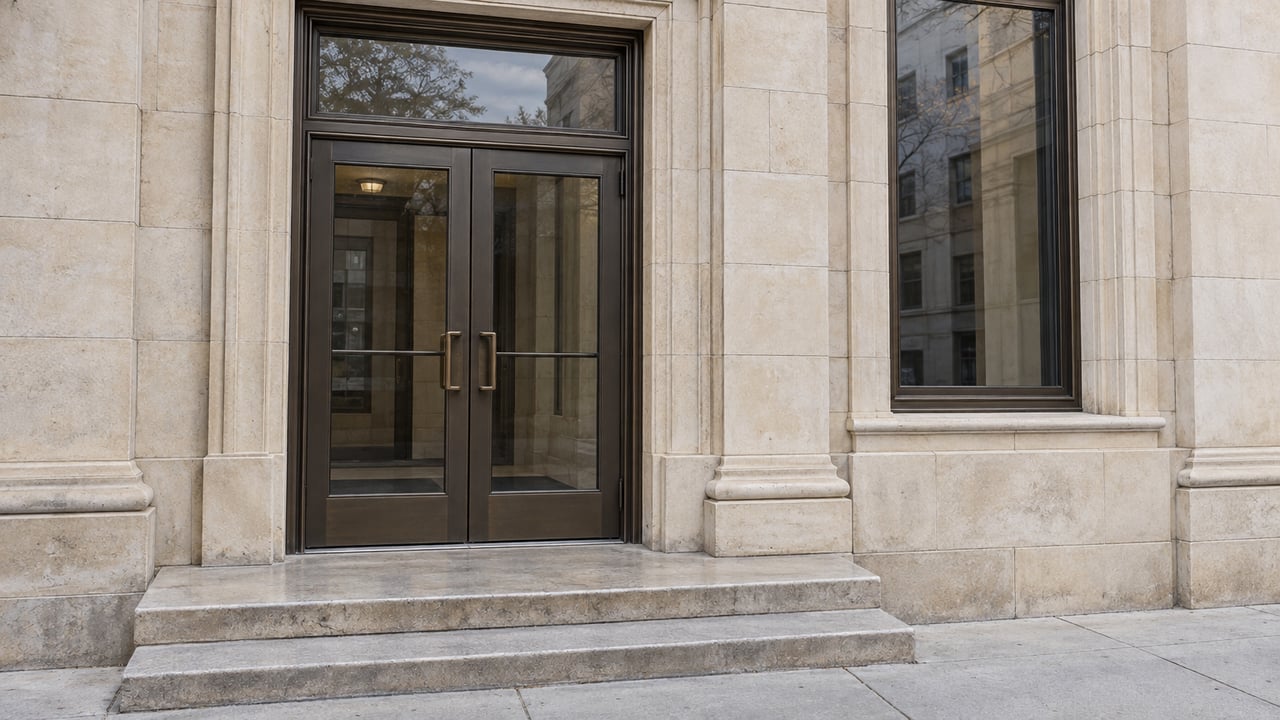
The Gold Coast Number That Matters More Than the Price
October 1, 2026
October 1, 2026
Two condos hit the market in the same week this year, both in the Gold Coast, both listed within about $20,000 of each other. One sits in Carl Sandburg Village, the sprawling mid-century complex between Clark and LaSalle. The other sits in a full-amenity tower on Lake Shore Drive, the kind of building with a doorman desk and a health club off the lobby. A buyer who only compares the listing prices would treat these as interchangeable options. A lender will not. The tower's monthly assessment can run $1,200 to $2,500 or more on a larger layout, while a comparable unit in Carl Sandburg Village carries a fraction of that. That gap does not show up in the price field on a listing sheet. It shows up in the mortgage approval, and it can be the difference between qualifying for the unit you want and qualifying for something smaller down the street.
This is the number Gold Coast buyers need to understand before they fall for a view: Fannie Mae's Selling Guide includes association dues in the monthly housing expense used to calculate your debt-to-income ratio.
A mortgage lender calculates your debt-to-income ratio using every recurring obligation on your file, and a condo assessment counts in full, the same as a car payment or a student loan. It doesn't matter that part of that $2,000 monthly fee covers a doorman, a gym, and building insurance. To the underwriter, it is debt.
That single fact explains why two Gold Coast units at the same price can put very different numbers in front of a lender. A $550 monthly gap between a moderate-fee building and a full-amenity tower is enough to meaningfully shrink a buyer's approved loan amount, sometimes by tens of thousands of dollars, before the conversation ever turns to the unit's finishes or its view. Buyers who shop by price alone are comparing the wrong column. The assessment is the number that decides how much home they can actually finance, and it is worth pulling before you tour, not after you fall for a listing photo.
This is also why a Gold Coast search benefits from working with someone who treats financing as part of the property analysis, not a separate step that happens later at the bank. The building you can afford and the building you can qualify for are not always the same building.
| Building type | What you'll typically find | Monthly assessment |
|---|---|---|
| Carl Sandburg Village studios and one-bedrooms | Large association, moderate per-unit cost, entry prices often in the $200,000 to $400,000 range | Moderate, and one reason the neighborhood's median price looks more accessible than its reputation suggests |
| Vintage mid-rise on streets like Dearborn or Astor | Older elevator buildings, smaller associations, classic prewar detail | Varies widely by age and reserve health |
| Full-amenity high-rise (buildings like 1210 N Lake Shore Drive or 1555 N Dearborn) | Doorman, fitness center, larger floor plans | $1,200 to $2,500 or more on bigger layouts |
The spread is the story. Gold Coast is not one market with one price point and one carrying cost. It's a neighborhood where the same budget can land you in a low-fee complex with fewer amenities or a full-service tower with a monthly bill that rivals a second mortgage payment. Neither is the wrong choice. But a buyer who doesn't know which one they're looking at can end up surprised at underwriting, or worse, surprised a year after closing.
Part of what drives that spread is a piece of city code most buyers never read: Chicago's Facade Ordinance, found in Section 14A-6-603.2 of the Municipal Code. Any building enclosure 80 feet or taller, roughly six stories and up, has to undergo a periodic exterior wall inspection performed by a licensed architect or structural engineer. The inspector files a report classifying the building's condition as Safe, Safe with a Repair and Maintenance Program, or Unsafe and Imminently Hazardous. That last category requires the building to notify the city within 24 hours and begin emergency stabilization.
For most Gold Coast towers, the finding lands in the middle category, and that finding is exactly what can lead to a special assessment. Facade work on a high-rise, tuckpointing, sealant replacement, balcony repair, is not cheap, and it is not optional once an inspector flags it. Older towers along Lake Shore Drive and the streets just west of it have been through this cycle more than once, which is part of why their monthly assessments run higher than a newer or shorter building's would. The ordinance isn't a bureaucratic footnote. It's a recurring capital expense with a filing deadline, and it shows up in your HOA bill whether or not you ever read the inspection report yourself.
Buyers sometimes hear that a building just finished a major project and take that as reassurance. It can be, but it depends entirely on how the project was funded. A repair paid for out of reserves means the association had saved for the work in advance. A repair paid for through a large special assessment means reserves did not cover the cost, which can happen for many reasons, including construction costs that have risen since the last reserve study. Either way, the funding source tells a buyer how the next project is likely to be paid for, so it is worth asking how the last one was financed and whether the reserve study has been updated since.
This distinction matters even more since Surfside. Following the Champlain Towers collapse in Florida, mortgage investors tightened the rules around condo project reviews.
In its discussion of how boards should handle a reserve surplus after a completed project, Chicago Cooperator News quoted a condo attorney warning that the satisfaction of keeping regular fees low can be short-lived: "that positive feeling might quickly fade when they go up dramatically the next year or, worse, another special assessment is levied because reserve funds are short."
Illinois law gives buyers a real tool for checking all of this before they commit. Section 22.1 of the Illinois Condominium Property Act requires the seller to provide a disclosure covering the association's reserve fund balance, any pending or discussed special assessments, and any pending litigation involving the building. This document, along with the last one to two years of board meeting minutes and the most recent reserve study, should be reviewed by your attorney during the contract review period.
Reading the minutes matters as much as reading the disclosure itself. A board can technically answer "no pending special assessment" on a disclosure form while its meeting minutes show months of discussion about a facade project that hasn't been formally voted on yet. The minutes are where you catch a problem before it becomes a number on a bill.
Does a lower monthly assessment always mean a healthier building? Not on its own. A low fee paired with a thin reserve fund can mean the board is underfunding maintenance rather than managing costs well. Ask for the percent-funded figure from the reserve study, not just the balance.
What happens if a special assessment gets approved while I'm under contract? It depends on your contract's terms and timing, which is exactly why this should be part of your attorney's review before you're locked in. Ask early whether any project is in the discussion stage, even if nothing has been formally levied yet.
Gold Coast rewards buyers who look past the number on the listing sheet. The building's financial health, its facade inspection history, and its reserve funding tell you more about what you're actually signing up for than the price ever will. If you're comparing towers along Lake Shore Drive against something in Carl Sandburg Village or a vintage mid-rise on Astor, REV Group can walk you through the reserve study, the disclosure, and what your lender will actually count against you before you fall for a view you can't finance.
This article is general information, not legal, tax or financial advice. Consult a qualified professional about your situation.
Stay up to date on the latest real estate trends.

We bring decades of local experience, market expertise, and a collaborative approach to every transaction. Specializing in luxury real estate throughout Chicago, the Gold Coast, and the North Shore, we provide personalized guidance, strategic advice, and seamless service to help you buy or sell with confidence.